
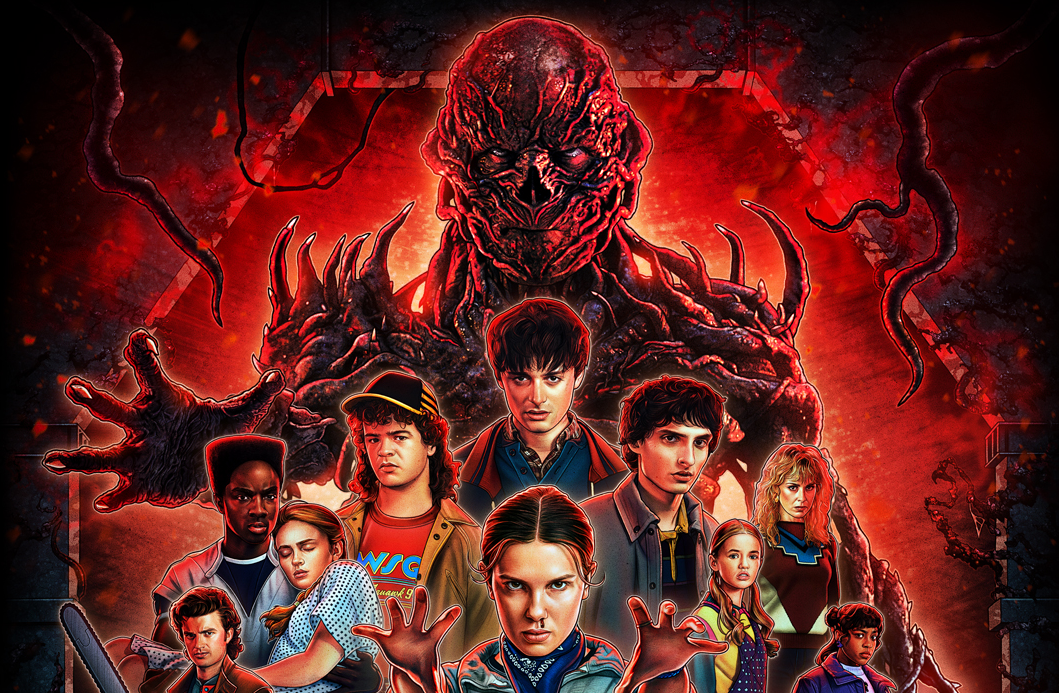
The numbers alone tell a story of unprecedented ambition. At $50-60 million per episode across eight installments, Stranger Things Season 5 carries a production budget of $400-480 million—more than the entire production cost of Avengers: Endgame, more than most films ever made, and a staggering tenfold increase from the show’s modest $48 million first season in 2016. It’s the kind of figure that makes Hollywood executives either salivate or break into cold sweats, depending on how the bet lands.
As the series finale prepares to drop on New Year’s Eve, following a carefully orchestrated three-part release across Thanksgiving, Christmas, and year’s end, one thing has become painfully clear: Netflix’s most expensive television production ever is also becoming one of its most divisive.
The contrast is almost poetic. In July 2016, Stranger Things premiered as a scrappy underdog—a nostalgic love letter to ’80s pop culture featuring unknown child actors and practical effects that prioritized atmosphere over spectacle. It became an instant cultural phenomenon, the kind of lightning-in-a-bottle success that defined Netflix’s golden age of original programming.
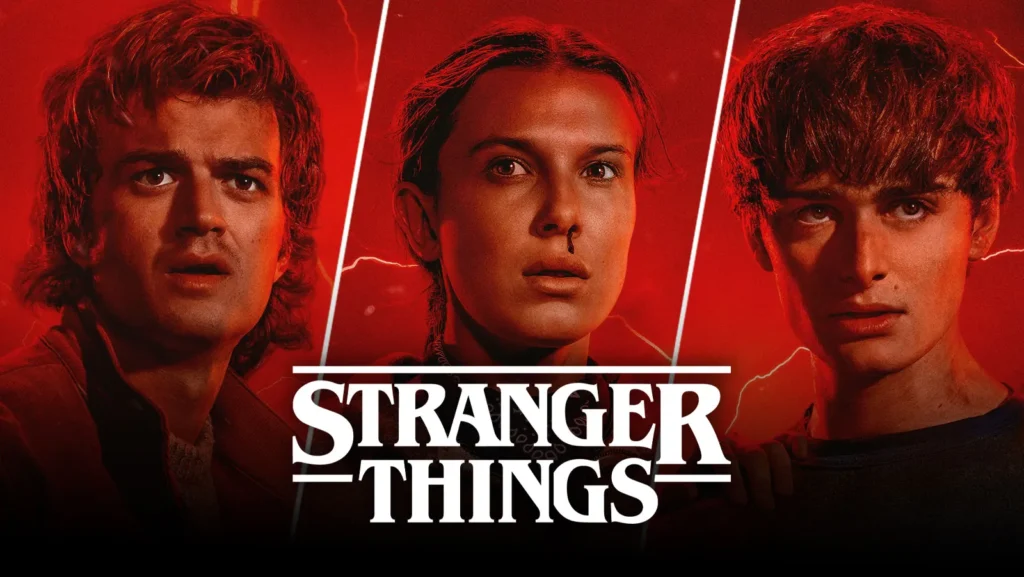
Nine years later, the show concludes in the fall of 1987, just four years after the original 1983 timeline began—meaning the real-world gap between seasons has grown dangerously close to eclipsing the show’s entire fictional timeline. The child actors who once rode bikes through Hawkins are now in their twenties. Millie Bobby Brown, who broke out as the telekinetic Eleven, is married. Voices have dropped, faces have matured, and the innocence that once defined the series has become impossible to recapture.
Where did all that money go? The cast alone commands astronomical salaries, with leads like David Harbour, Millie Bobby Brown, and Winona Ryder earning $350,000 per episode, while other main cast members like Finn Wolfhard and Noah Schnapp take home $250,000 per episode. Brown’s total compensation, factoring in her overall Netflix deal covering projects like Enola Holmes, remains a closely guarded secret but is believed to significantly exceed her co-stars’.
Visual effects represent another massive expense, with Netflix partnering with Industrial Light & Magic—the same studio behind Star Wars and Marvel blockbusters—to bring the Upside Down to life with theatrical-quality effects. The Duffer Brothers introduced innovative filming techniques for the final season, including first-person “demo-vision” shots from the Demogorgon’s perspective, pushing the boundaries of what television can achieve technically.
The production faced significant delays due to the 2023 Hollywood labor disputes, with filming finally beginning in January 2024. Frank Darabont, director of The Shawshank Redemption, was brought out of retirement to helm two episodes after original director Dan Trachtenberg had to depart for Predator: Badlands. The scale is cinema-level: location shoots spanning Atlanta and beyond, complex stunt choreography, and episodes running feature-length.
The season’s most buzzed-about addition is Linda Hamilton, the Terminator icon, playing Dr. Kay, an imposing military scientist hunting Eleven and commanding a base within the Upside Down itself. The Duffers molded the character specifically around Hamilton after learning she was a devoted fan of the show, shifting Dr. Kay from a traditional scientist to someone with “more of a military edge” who “can fight, she can use a gun, and she doesn’t hesitate to do so”.
Other additions include Nell Fisher taking over as Holly Wheeler, Mike and Nancy’s younger sister who finally gets substantial screen time; Amybeth McNulty expanding her role as Vickie, Robin’s girlfriend; and the surprising return of Linnea Berthelsen as Kali (Eight), Eleven’s “sister” from the ill-fated Season 2 backdoor pilot that never materialized.
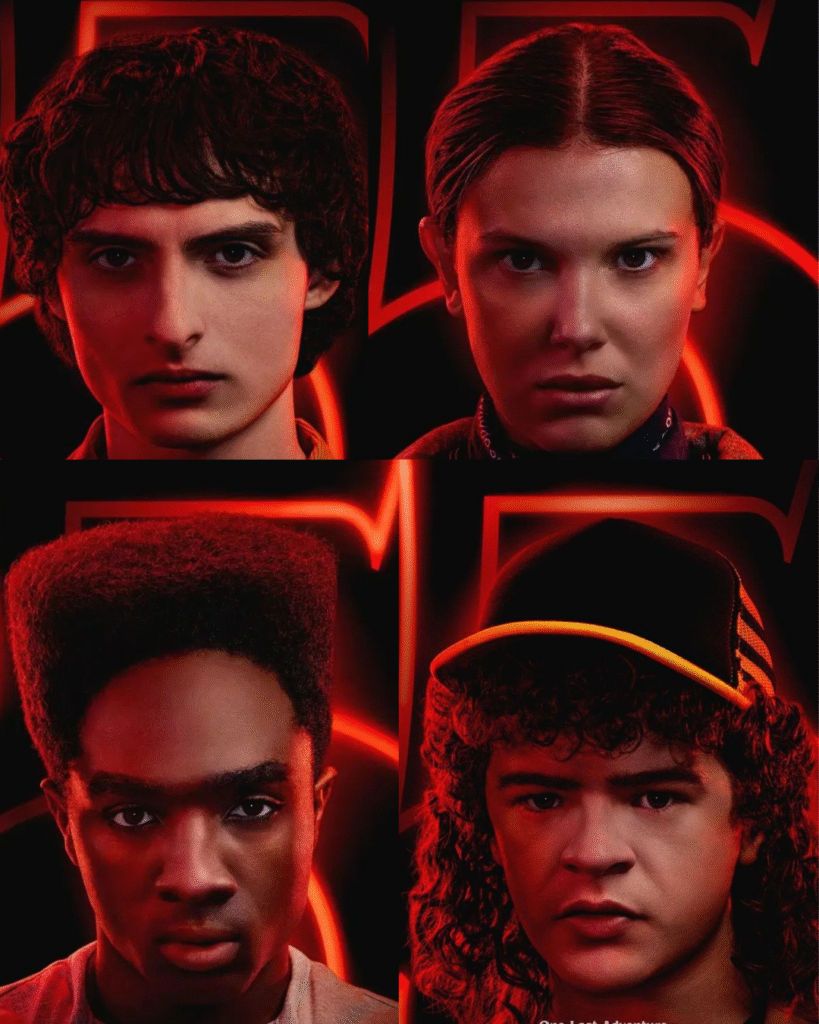
The season opens in fall 1987 with Hawkins scarred by Vecna’s rifts and under military quarantine. The government has intensified its hunt for Eleven, forcing her back into hiding as the anniversary of Will’s disappearance approaches. The official synopsis promises: “The final battle is looming—and with it, a darkness more powerful and more deadly than anything they’ve faced before”.
The Duffers revealed that Season 5 will finally answer the last remaining questions from a 25-page mythology document they wrote for Netflix back in Season 1, including the truth about what the Upside Down really is. Volume 2 delivered on some of those promises, revealing that the Upside Down is actually a wormhole connecting Hawkins to something called Dimension X, and that Max’s coma was actually a Vecna-induced trance.
Matt Duffer told Variety that audiences will see Mike Wheeler “become the leader again” in a more “confident” and “mature” version than Season 1, while Ross Duffer teased that the first episode is the most “eventful” of the entire series and that the second has the “craziest cold open” they’ve done.
The reception tells a complicated story. On Rotten Tomatoes, Season 5 currently holds an 84% approval rating from critics, with early Volume 1 reviews praising the return to form. But the audience score has plummeted to 77% following Volume 2’s Christmas release—a sharp 14-point drop from Volume 1’s 91%, making it the lowest-rated season in the show’s history.
The complaints are varied but pointed. On Reddit, viewers criticized the production quality itself, arguing that heavy lighting, excessive background blur, and noticeable green screen work make the expensive production paradoxically feel cheap, with some comparing it unfavorably to HBO’s It: Welcome to Derry and Apple TV+’s For All Mankind.
Critics at SlashFilm noted that “it seems painfully obvious that the higher ups at Netflix begged the Duffer Brothers to drag things out as much as they possibly could,” with Volume 2 feeling like it’s “spinning its wheels” despite occasional exciting moments and emotional beats. Roger Ebert’s site observed that the writing “suffers from that all-too-common Netflix problem of over-explaining everything as characters talk about what they’re thinking and planning in a manner that’s designed to make it watchable while you fold laundry”.
Perhaps most damning, many fans expressed frustration that no major characters have died yet, feeling that the stakes don’t match the apocalyptic promises, with characters seemingly protected by plot armor as they approach the finale. The handling of Will Byers’ coming out—something fans had been anticipating for seasons—also drew mixed reactions, with some feeling it was handled too tentatively after years of delay.
There’s a deeper tension at play. Stranger Things built its empire on nostalgia for the 1980s, borrowing liberally from Stephen King, Steven Spielberg, John Carpenter, and James Cameron. But as Roger Ebert’s critic noted, the penultimate volume “almost feels nostalgic for itself,” with characters referencing previous seasons more than external ’80s touchstones. The show has become a snake eating its tail, mining its own mythology rather than the pop culture that originally inspired it.
TIME magazine’s reviewer drew a devastating comparison to Buffy the Vampire Slayer, another teen-vs-monsters show that ran for seven seasons. “Both series use supernatural elements as metaphors for growing up,” they wrote. “But only Buffy created distinctive characters and kept developing them into people we felt we were getting to know better and better.” The implication: Stranger Things kept its characters “broad and bland” to serve franchise imperatives rather than storytelling.
This tension—between the intimate coming-of-age story Stranger Things began as and the blockbuster content machine it became—may be the show’s defining contradiction. The first season cost $6 million per episode; the final season costs ten times that. But can you buy back the magic that made it special in the first place?
The series finale arrives December 31, with select theatrical screenings planned across the United States and Canada through January 1, 2026—an unprecedented move for a Netflix series, though one that makes sense given the cinematic scale. Executive producer Shawn Levy has promised that the finale is “one of the best finale episodes of any show that I’ve ever seen,” adding that he “can’t wait for the world to see it on the biggest, loudest screen possible, because that’s what it deserves.”
Whether the finale can redeem a season that’s proven divisive remains to be seen. Can it justify the astronomical budget? Will it deliver the emotional catharsis fans have waited three and a half years for? Can it thread the needle between spectacle and substance that the show once managed effortlessly?
Since its 2016 debut, Stranger Things has amassed more than 1 billion streams across all five seasons, cementing its place as Netflix’s flagship series and one of the defining shows of the streaming era. But as the Hawkins kids—now adults—prepare for their final battle against Vecna and the forces of the Upside Down, the real question isn’t whether they’ll save their fictional town. It’s whether the Duffer Brothers can save their show’s legacy from the franchise machine that nearly consumed it.
The answer arrives in just days. For better or worse, an era ends on New Year’s Eve. And unlike Max’s fate in Vecna’s grip, there’s no coming back from a series finale.
The countdown to the end has begun. The question is whether what we find on the other side will have been worth the wait—and the nearly half-billion-dollar investment Netflix placed on nostalgia, spectacle, and the hope that magic can be manufactured at scale.
On December 31, we’ll know if they were running up that hill, or just running in place.
