



Brigitte Bardot, the French actress who became an international sensation in the 1950s and 1960s before dedicating her later years to animal welfare activism, died Sunday at her home in southern France. She was 91.
Bruno Jacquelin of the Brigitte Bardot Foundation announced her passing but did not specify a cause of death. No funeral arrangements have been announced.
Born in Paris on September 28, 1934, to an upper-middle-class family, Bardot became internationally famous after dyeing her hair blonde and starring in the 1956 film “And God Created Woman,” directed by her first husband, Roger Vadim. The provocative melodrama transformed her into a global phenomenon and helped usher in changing attitudes about sexuality in cinema. French philosopher Simone de Beauvoir described her as being “as much hunter as she is prey” in the game of love, recognizing how Bardot challenged traditional gender dynamics on screen. French President Charles de Gaulle once declared that Bardot was “a French export as important as Renault cars”.
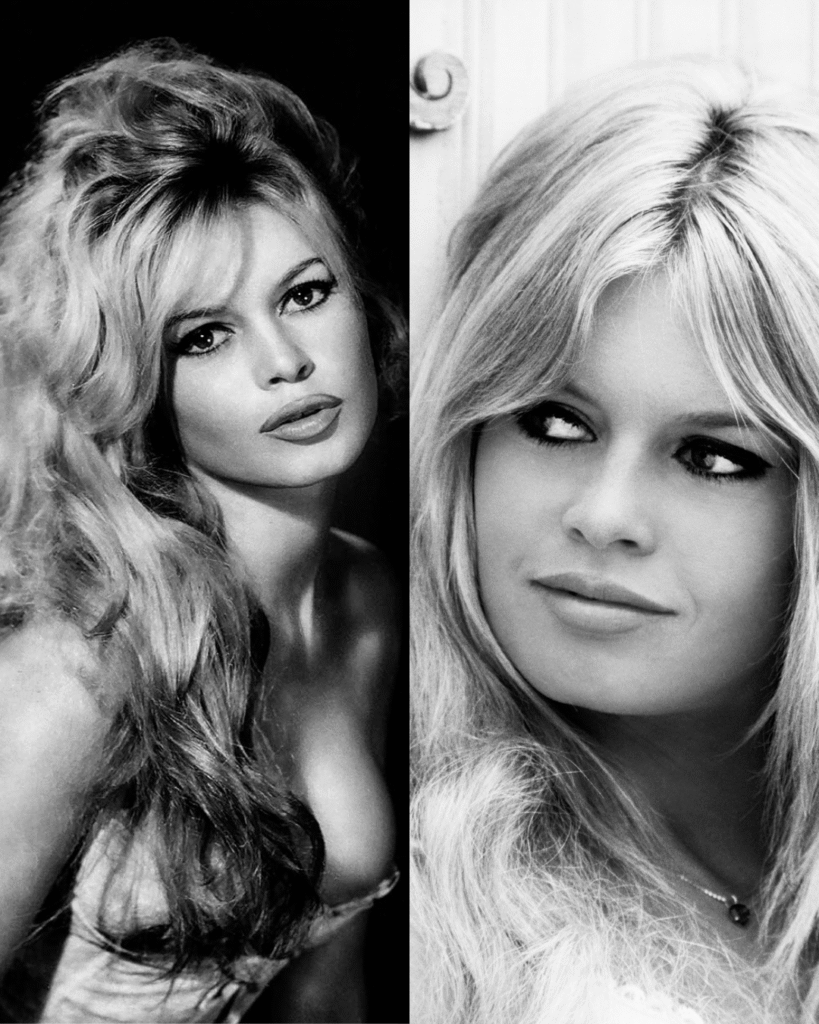
Bardot appeared in nearly 50 films during her career, working with renowned directors including Jean-Luc Godard on “Contempt” and Louis Malle on “Viva Maria!” By the late 1960s, she had become such a French icon that she was chosen as the first celebrity model for Marianne, the symbolic representation of the French Republic.
In 1973, at just 39 years old, Bardot made the surprising decision to retire from acting at the height of her fame. “I gave my youth and my beauty to men, but I give my wisdom and experience to animals,” she famously declared. She founded the Brigitte Bardot Foundation in 1986, channeling her celebrity into campaigns against animal cruelty worldwide. Her activism ranged from traveling to the Arctic to protest seal hunting, to urging South Korea to ban dog meat sales, to writing U.S. President Bill Clinton about Navy dolphins. She received France’s Legion of Honor in 1985 for her animal welfare efforts.
Bardot faced recurring health challenges in her final months, undergoing surgery at Saint-Jean Hospital in Toulon in October 2025 for treatment of a serious but undisclosed illness. She was hospitalized again in November for approximately 10 days before returning home to recover. She had previously battled breast cancer for two years beginning in 1984 and experienced respiratory issues during a 2023 heat wave. In interviews before her 90th birthday, she acknowledged her declining mobility and reliance on crutches.

While admired for her cinematic contributions and animal advocacy, Bardot’s later years were marked by multiple convictions for inciting racial hatred. French courts convicted her at least six times, including a 2022 fine of 40,000 euros for describing residents of Réunion as having “savage genes”. She married wealthy businessman Bernard d’Ormale in 1992, who had been an adviser to far-right National Front leader Jean-Marie Le Pen, cementing her association with far-right politics in France. In 2018, during the height of the #MeToo movement, Bardot called actresses protesting sexual harassment “hypocritical,” suggesting many had “flirted with producers to get roles”.
French President Emmanuel Macron paid tribute on social media, writing: “Her films, her voice, her dazzling glory, her initials, her sorrows, her generous passion for animals, her face that became Marianne, Brigitte Bardot embodied a life of freedom”. The Société Protectrice des Animaux, France’s oldest animal protection organization, praised her as “an iconic figure and a passionate advocate for the animal cause,” noting that “her unwavering commitment helped change attitudes and achieve major advances in animal protection”. Marine Le Pen, leader of the far-right National Rally party, referred to Bardot as an exceptional woman who would be greatly missed.
Bardot is survived by her fourth husband, Bernard d’Ormale; her son Nicolas-Jacques Charrier from her second marriage to actor Jacques Charrier, who died in September 2025; and two granddaughters. The Brigitte Bardot Foundation announced it will continue her legacy of animal rights advocacy.
