



Back in 2007, the world decided it needed an updated list of architectural marvels. After all, only one of the original ancient wonders still stands today. Through a global voting campaign that let people cast ballots online and via phone, seven winners emerged. Were the results perfect? Absolutely not. The voting process had its quirks—people could vote multiple times, countries rallied hard for their nominees, and some deserving sites got snubbed.
But here we are. I’ve had the privilege of standing before each of these monuments during my travels, and I want to share how I’d personally stack them up. This is purely subjective—anyone trying to definitively rank humanity’s greatest achievements is probably overthinking things. Still, it’s fun to try.
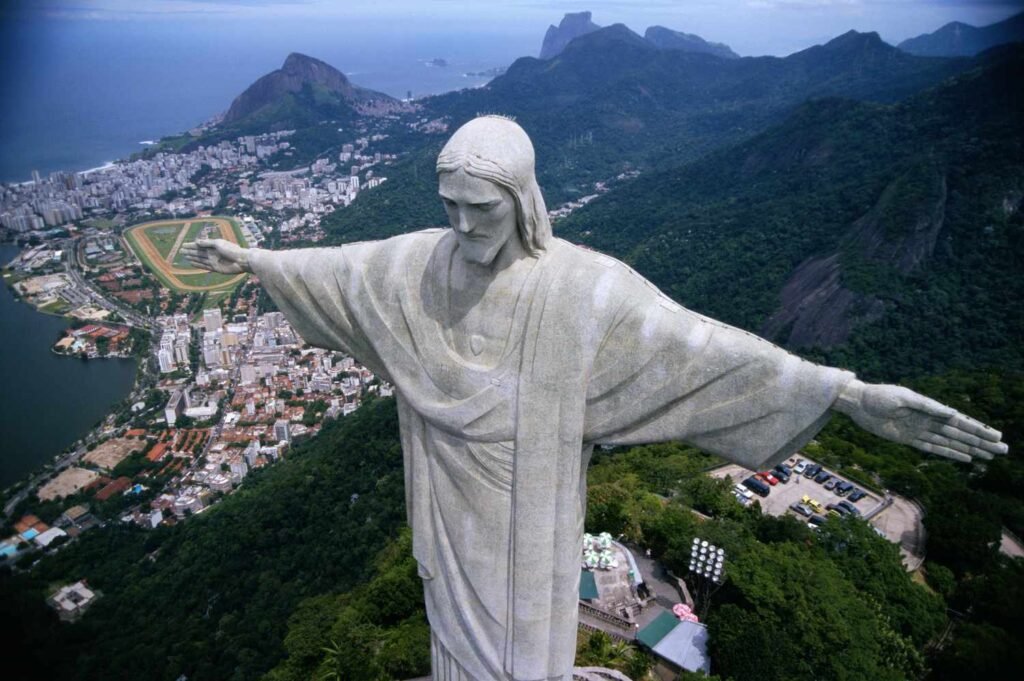
7. Brazil’s Mountain-Top Jesus
Perched high above Rio on Corcovado Mountain, this iconic statue offers breathtaking panoramas of beaches, mountains, and urban sprawl below. The views alone make the trek worthwhile, and there’s something peaceful about being elevated above the city’s chaotic energy.
That said, compared to ancient engineering feats on this list, a 20th-century concrete statue feels like the odd one out. It’s undeniably striking, but I suspect Brazilian voters pushed hard to secure its spot. Still worth seeing, especially for that vantage point.
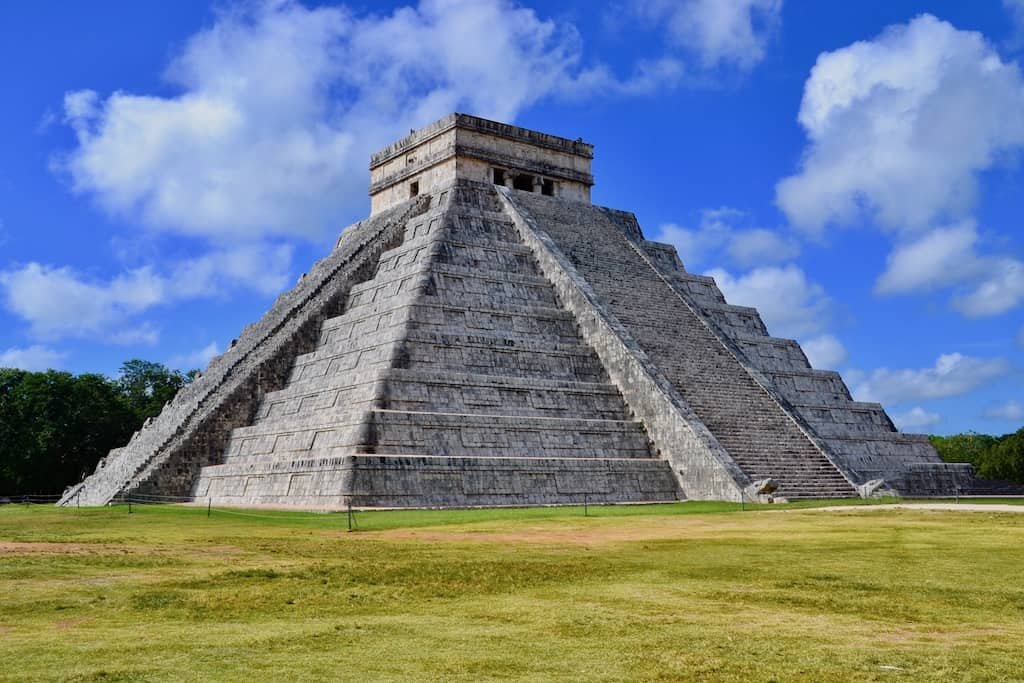
6. Mexico’s Mayan Marvel
The stepped pyramid at Chichen Itza commands attention with its mathematical precision. The way shadows form a serpent during equinoxes shows the Mayans’ astronomical sophistication. Walking among these ruins, you feel connected to a civilization that thrived long before European contact.
My honest take? Central America has even more impressive pyramid complexes. The jungle-swallowed temples further south offer a more atmospheric experience, rising dramatically above dense rainforest canopy. Chichen Itza’s accessibility from beach resorts probably helped its cause with voters.
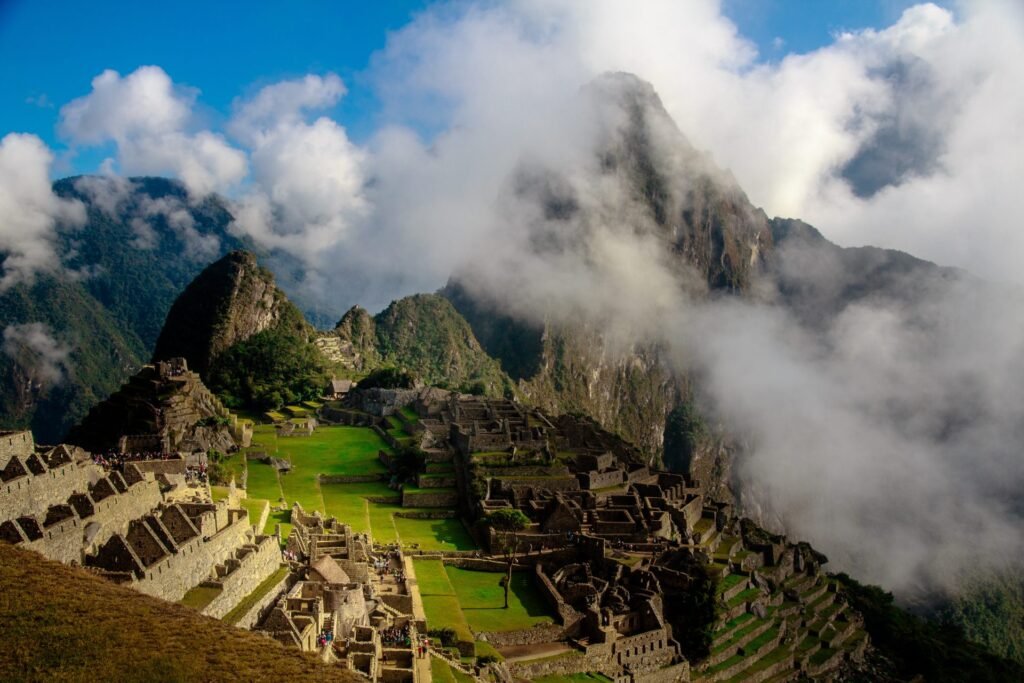
5. Peru’s Cloud City
Imagine stone structures balanced impossibly on mountain ridges, perpetually wrapped in mist and mystery. That’s Machu Picchu. The 15th-century Incan citadel showcases what indigenous Americans accomplished through sheer ingenuity and determination.
Standing above those terraced ruins, surrounded by dramatic peaks and sheer drops, you grasp why this civilization could thrive here. The journey getting there adds to the experience—though you’ll need to endure a rather commercialized base town that serves as the gateway.
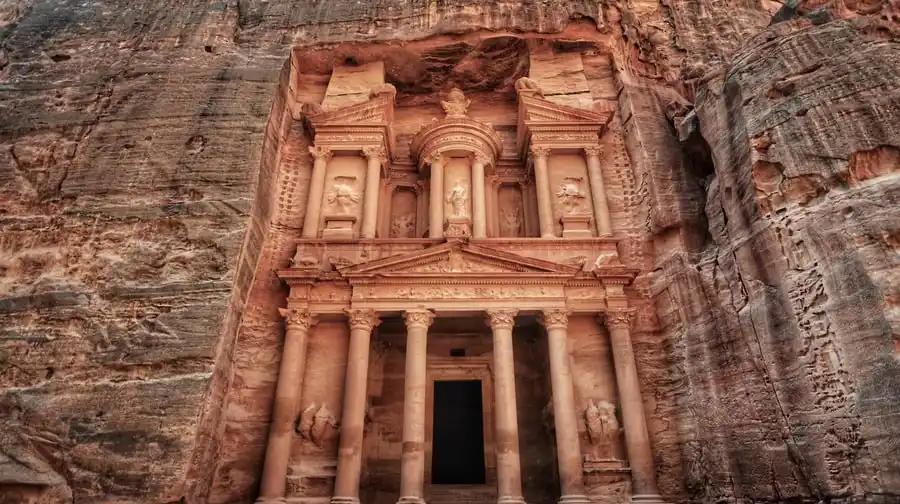
4. Jordan’s Hidden City
Few experiences match walking through a narrow canyon passage for over a kilometer, then suddenly emerging before Petra’s rose-colored facades carved directly into cliff faces. The Nabataeans created something timelessly elegant here in the 3rd century BCE.
These sculpted temples and tombs look impossibly delicate for structures hewn from rock over two millennia ago. The dramatic reveal after that long walk through the natural gorge makes arrival feel like discovering a secret the earth tried to keep hidden.
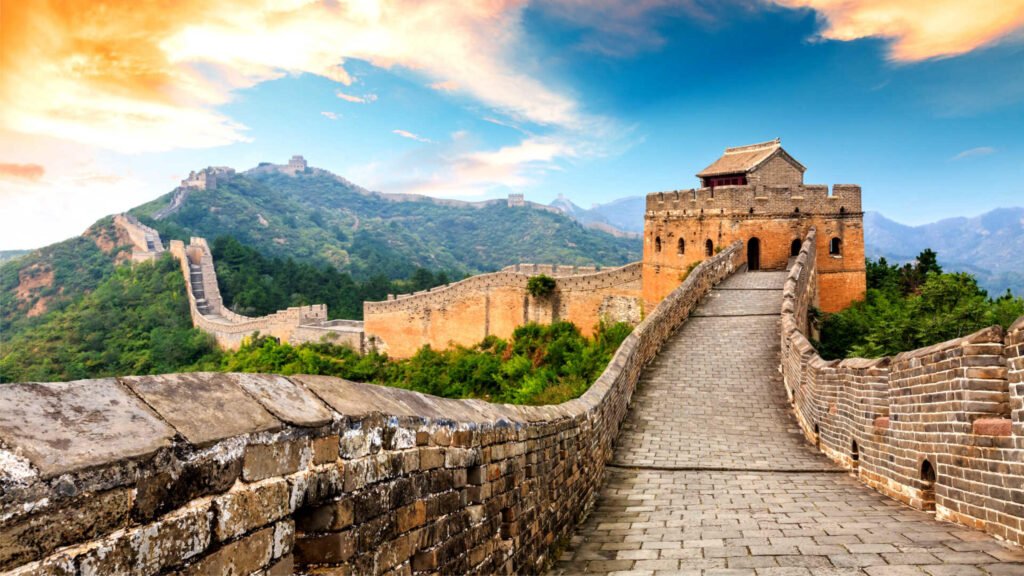
3. China’s Endless Fortification
I’ll admit, I underestimated this one beforehand. How exciting could a really long wall be? Turns out, very.
Stretching across 20,000 kilometers of Chinese landscape, this serpentine barrier flows with the topography like it grew naturally from the mountains. Standing on it, watching it disappear into distant hazy horizons, you comprehend the astronomical human effort required. Hundreds of thousands of workers contributed to its construction over centuries.
The structure adapts beautifully to terrain—sometimes gentle, sometimes punishingly steep. It represents human ambition and engineering on an almost incomprehensible scale.
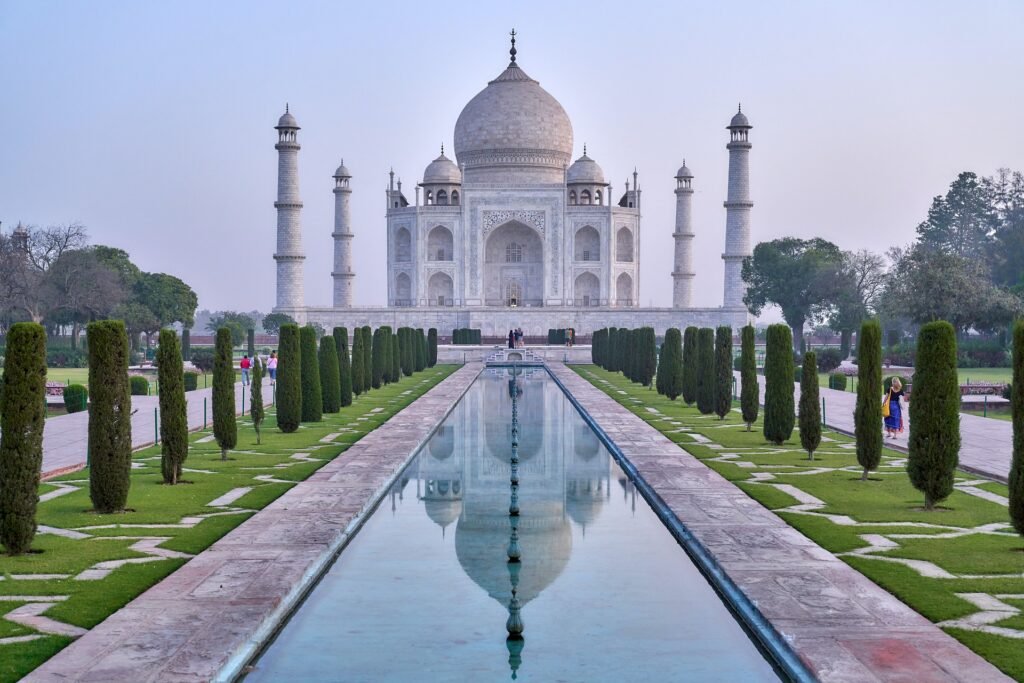
2. India’s Monument to Love
Few buildings achieve perfection, but the Taj Mahal comes remarkably close. Its white marble domes and minarets possess an ethereal quality, seeming to hover above Agra’s smoggy atmosphere. Completed in the mid-1600s, it served as Emperor Shah Jahan’s tribute to his beloved wife.
The symmetry, the craftsmanship, the way light plays across its surface throughout the day—everything works in harmony. Amid India’s sensory overload, this complex offers an oasis of architectural grace. Whether you appreciate the romantic story or simply admire the aesthetics, it deserves its reputation as possibly the world’s most beautiful building.
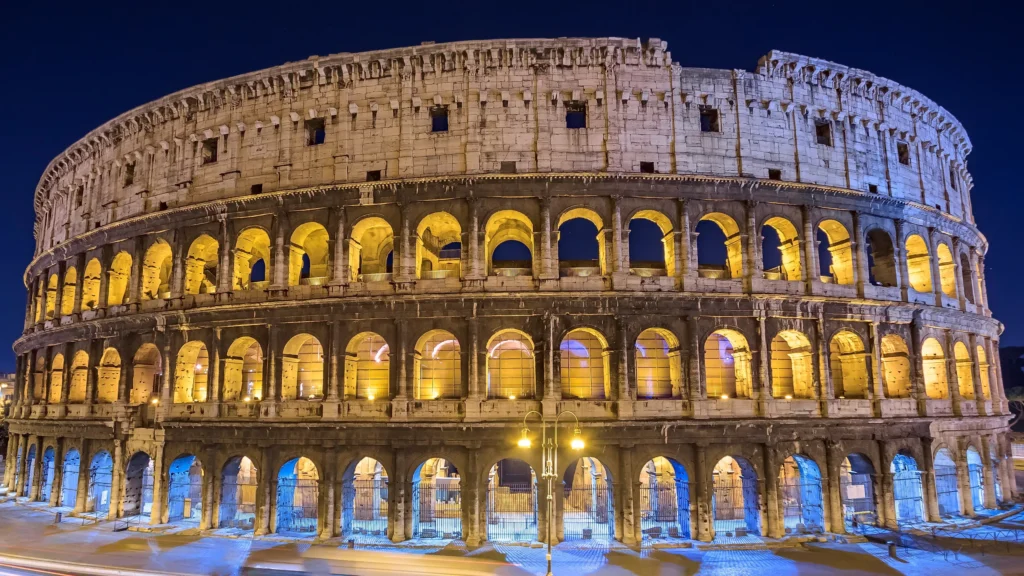
1. Rome’s Eternal Arena
Perhaps I’m biased by my lifelong fascination with sports venues, but the Colosseum claims my top spot. This 50,000-capacity amphitheater, built two thousand years ago, looks astonishingly modern. It featured advanced engineering including a retractable awning system to shade spectators.
More than any other monument, this structure embodies Roman civilization’s sophistication. Walking through its corridors and standing in that massive oval, you feel the weight of history—the drama, the spectacle, the uncomfortable reality of entertainment built on bloodshed.
The Romans achieved a level of architectural and engineering mastery that wouldn’t be matched for over a millennium. This ancient stadium stands as testament to both human brilliance and brutality, wrapped into one unforgettable structure.
Final Thoughts
Each of these wonders tells part of humanity’s story—our creativity, our ambition, and yes, often our willingness to exploit others to build lasting monuments. They’re all worth experiencing firsthand. The official list might be imperfect, but it gives us a framework for appreciating what our species has accomplished across different eras and continents.
Your ranking would probably differ from mine, and that’s entirely the point. These structures mean different things to different people. The only real mistake would be not seeing them for yourself.
